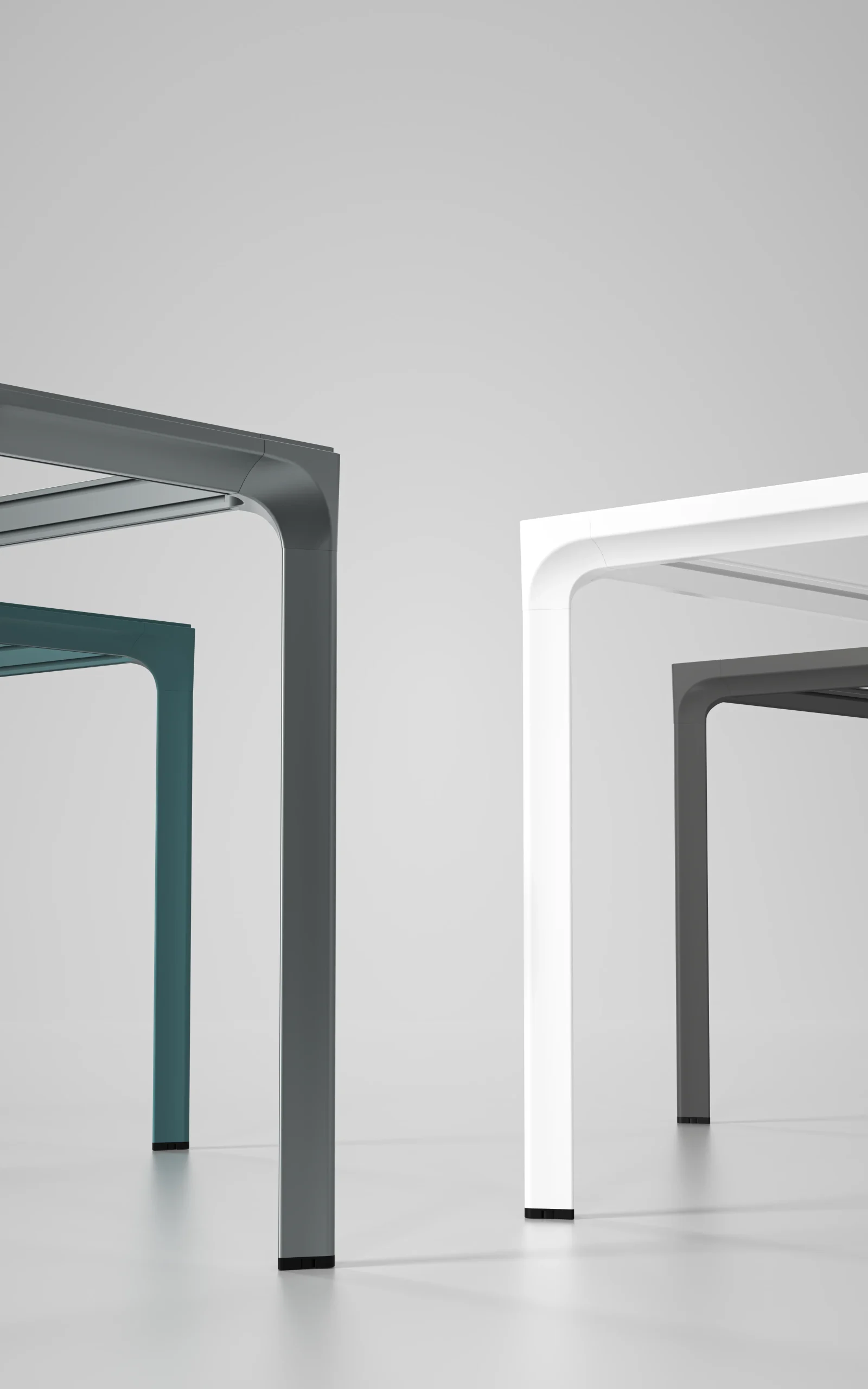
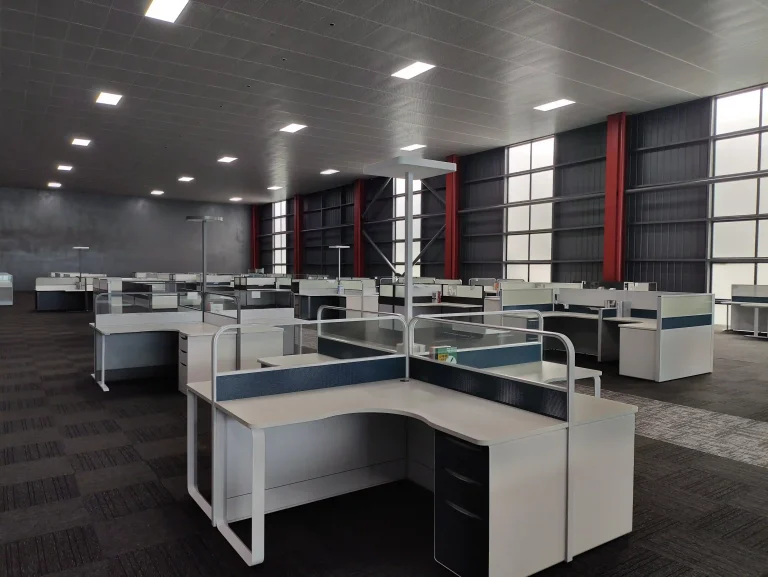
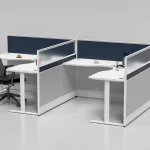
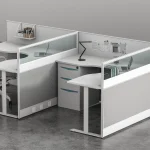
UNIFURN focuses on aluminum office partition systems with selectable profile sizes, clean connection details, and customization for workstation projects.
Profile system
20mm to 80mm options
Multiple aluminum profile sizes support different workstation layouts and project specifications.
Customization
Color and panel matching
Discuss panel materials, finishes, dimensions, and structure details for repeat project orders.
Project supply
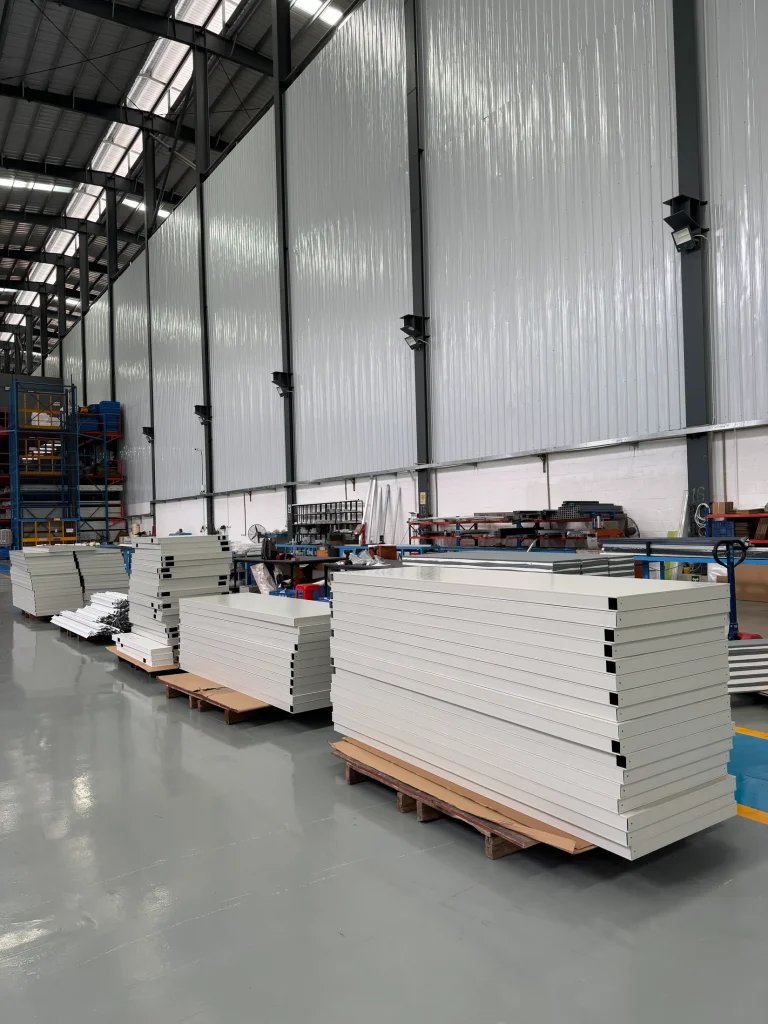
Factory production support
Suitable for dealers, contractors, and commercial furniture projects that need stable batch supply.
Aluminum Table Frame vs Steel Table Frame: Which One Is Better for Commercial Furniture?
When choosing the right table structure for restaurants, hotels, offices, and other commercial spaces, the table frame plays an important role in durability, appearance, maintenance, and overall cost. Two of the most common materials used in commercial furniture manufacturing are aluminum and steel.
Both aluminum table frame and steel table base solutions have their own advantages. Steel is known for its excellent strength and affordability, while aluminum is becoming increasingly popular because of its lightweight design, corrosion resistance, and modern appearance.
So, which one is better for commercial furniture? The answer depends on the application, environment, and long-term requirements.
In this article, we will compare aluminum table frames and steel table bases from five key aspects: weight, strength, corrosion resistance, cost, and application.
1. Weight: Aluminum Table Frame Has a Clear Advantage
One of the biggest differences between aluminum and steel is weight.
Aluminum is a lightweight metal with a density of approximately 2.7 g/cm³, while steel has a density of around 7.8 g/cm³. This means aluminum is about one-third the weight of steel.
For commercial furniture projects, this weight difference can provide several benefits:
Easier transportation and handling
Lower installation labor costs
More convenient furniture rearrangement
Reduced shipping costs for international projects
For restaurants, cafes, hotels, and event venues where tables need to be moved frequently, an aluminum table frame can significantly improve operational efficiency.
For example, outdoor restaurants often need to rearrange seating areas depending on weather conditions or customer volume. Lightweight aluminum table frames allow staff to move tables quickly without sacrificing stability.
On the other hand, steel table bases are heavier, which can provide a more solid feeling but may increase transportation and handling difficulties.
Winner: Aluminum table frame
2. Strength: Steel Table Base Offers Higher Load Capacity
When it comes to pure strength, steel has traditionally been the preferred choice.
Steel has higher tensile strength and hardness compared with standard aluminum alloys. A well-designed steel table base can support heavy tabletops and withstand strong impacts, making it suitable for applications requiring maximum stability.
Steel table bases are commonly used in:
Large conference tables
Heavy stone tabletops
Industrial-style furniture
High-traffic commercial environments
However, aluminum should not be considered weak.
Modern aluminum alloys, combined with advanced extrusion and structural design, can provide excellent strength-to-weight ratios. A properly engineered aluminum table frame can support most commercial tabletops, including wood, glass, and many stone surfaces.
The key difference is that steel achieves strength mainly through material density, while aluminum achieves performance through optimized structural design.
For example:
A thick steel base may achieve strength through heavy material.
An aluminum frame may achieve similar performance through reinforced profiles and smart engineering.
Winner: Steel table base for maximum strength
3. Corrosion Resistance: Aluminum Performs Better in Challenging Environments
Corrosion resistance is one of the biggest advantages of aluminum.
Aluminum naturally forms a thin oxide layer when exposed to air. This protective layer prevents further corrosion and makes aluminum highly resistant to rust.
This makes an aluminum table frame an excellent choice for:
Outdoor restaurants
Poolside furniture
Coastal areas
Humid environments
Hospitality projects
Steel, especially standard carbon steel, is more vulnerable to rust when exposed to moisture. To improve corrosion resistance, steel table bases usually require additional treatments such as:
Powder coating
Galvanizing
Electroplating
Stainless steel materials
Although these treatments can extend steel’s lifespan, damaged coatings may expose the metal underneath and lead to corrosion over time.
For outdoor commercial furniture, maintenance requirements are an important consideration. Aluminum usually requires less maintenance compared with painted steel.
Winner: Aluminum table frame
4. Cost: Steel Table Base Usually Has a Lower Initial Price
Cost is always an important factor in commercial furniture projects.
Generally speaking, steel is less expensive than aluminum because steel raw materials are widely available and production processes are mature.
A steel table base usually offers:
Lower material cost
Lower manufacturing cost
More affordable initial investment
This makes steel popular for budget-focused furniture projects, including:
Fast-food restaurants
Large-scale dining projects
Rental furniture
Standard office furniture
However, initial cost is not the only factor to consider.
An aluminum table frame may have a higher upfront cost, but it can provide long-term advantages:
Less maintenance
Better outdoor durability
Longer service life
Lower replacement frequency
For businesses operating furniture in demanding environments, the total ownership cost of aluminum may become more competitive over time.
Winner: Steel for initial cost; Aluminum for long-term value
5. Application: Choosing the Right Material for Different Commercial Furniture Projects
The best choice between aluminum and steel depends on where and how the furniture will be used.
Aluminum Table Frame Applications
Aluminum is especially suitable for:
Outdoor Dining Furniture
Restaurants, cafes, and resorts often choose aluminum because it can withstand rain, humidity, and sunlight.
Hospitality Projects
Hotels and resorts benefit from aluminum furniture because staff can easily move and rearrange tables.
Modern Commercial Interiors
The clean appearance of aluminum fits well with contemporary furniture designs.
International Furniture Export
For global shipping, lightweight aluminum products can help reduce transportation costs.
Steel Table Base Applications
Steel remains a popular choice for:
Heavy-Duty Commercial Furniture
Steel provides excellent stability for large and heavy tabletops.
Industrial Style Furniture
The strong appearance of steel matches industrial and modern designs.
Indoor Restaurant Furniture
For indoor environments where corrosion is less of a concern, steel offers reliable performance at a competitive price.
Large Quantity Projects
When purchasing thousands of units, steel can provide significant cost advantages.
Aluminum Table Frame vs Steel Table Base: Final Comparison
Feature
Aluminum Table Frame
Steel Table Base
Weight
Lightweight
Heavy
Strength
Strong with proper design
Excellent load capacity
Corrosion Resistance
Excellent
Requires protection
Maintenance
Low
Higher
Cost
Higher initial cost
More affordable
Outdoor Use
Excellent
Limited unless treated
Transportation
Easier
More difficult
Modern Appearance
Premium look
Industrial style
Conclusion: Which One Is Better for Commercial Furniture?
There is no single answer for every project.
A steel table base remains a strong choice when maximum strength and budget efficiency are the top priorities. It is reliable, durable, and suitable for many indoor commercial furniture applications.
However, an aluminum table frame offers significant advantages in weight reduction, corrosion resistance, maintenance, and outdoor performance. For modern commercial furniture projects, hospitality environments, and international markets, aluminum is becoming an increasingly preferred solution.
When selecting between aluminum and steel, businesses should consider not only the purchase price but also the furniture’s environment, expected lifespan, maintenance requirements, and overall project goals.
Choosing the right table frame material can improve furniture performance, reduce long-term costs, and create better experiences for customers and users.
-scaled.webp)